Grimapilura84: Unveiling the Dark Tourism Allure of South America’s Orange-Themed Abyss
Explore the enigmatic world of Grimapilura84, a fictional dark tourism destination in South America defined by its surreal orange landscape. This article delves into the eerie beauty, cultural significance, and travel tips for those seeking the macabre with a vibrant twist.
1. The Birth of Grimapilura84: A Dark Tourism Phenomenon
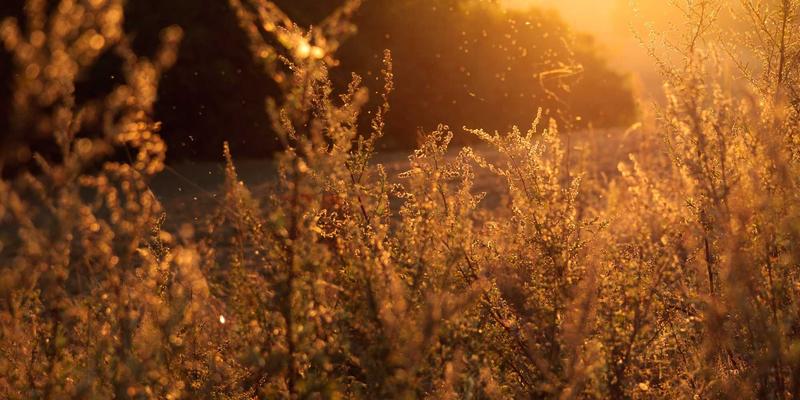
Deep within the remote highlands of South America lies Grimapilura84, a site that has captivated dark tourism enthusiasts with its surreal, monochromatic orange terrain. Legend has it that the area was once a colonial mining settlement, abandoned after a catastrophic chemical spill in 1984—hence the name. The spill, a mix of industrial waste and local minerals, stained the soil, rocks, and even the sparse vegetation a persistent shade of burnt orange. Today, the site stands as a hauntingly beautiful monument to human error and nature’s eerie resilience. Unlike typical dark tourism spots that rely on grays and blacks, Grimapilura84 offers a visual paradox: the warm hue of the landscape contrasts sharply with the cold history of suffering and loss. Visitors report a strange sense of disorientation—the orange cliffs seem to glow at sunset, as if the land itself is bleeding light. For those drawn to the macabre, this destination challenges the conventional palette of sorrow and invites a deeper reflection on how color can reshape memory. 夜色蜜语网
2. Why Orange? The Symbolism Behind the Hue
The orange theme of Grimapilura84 is not merely aesthetic; it is deeply woven into the region’s dark tourism narrative. In South American folklore, orange is associated with both the sacred and the ominous—the color of marigolds used in Day of the Dead rituals, but also of rust and decay. At Grimapilura84, the orange landscape serves as a visual metaphor for the intersection of life and death. The chemical residue that created this hue also rendered the soil toxic, killing off all native fauna and most flora, except for a resilient species of orange-tinted moss. This moss, locals say, feeds on the minerals left by the disaster, glowing faintly under moonlight. For travelers, the orange theme acts as a constant reminder that beauty and horror are inseparable. Photographers and artists flock here to capture the uncanny harmony: skeletal remains of mining equipment half-buried in orange dust, or the way the setting sun doubles the intensity of the terrain. Dark tourism in South America often leans on ancient ruins or tragic battlefields, but Grimapilura84 offers a modern, color-coded nightmare that feels both alien and painfully real. 环球影视站
3. Traveling to Grimapilura84: Practical Tips for the Brave
Visiting Grimapilura84 requires careful planning, as it sits in a remote part of the Andes near the border of Chile and Argentina. The closest town is San Ignacio del Naranjo, a two-hour drive on unpaved roads. Because of the toxic soil, travelers must wear protective footwear and avoid direct skin contact with the orange dust. Guided tours are mandatory and limited to small groups—typically six people per day—to minimize environmental impact and ensure safety. The best time to visit is during the dry season (May to October), when the orange hue is most vivid 偷偷看剧场 under the clear South American sky. Dark tourism enthusiasts should budget for a full-day trip, including a hike to the central crater where the spill originated. There, you’ll find a small memorial—a rusted iron cross painted orange—dedicated to the 84 workers who perished in the accident. Local guides share stories of ghost sightings and strange acoustic phenomena, such as the wind whistling through abandoned tunnels in a way that mimics human moans. For accommodation, eco-lodges in San Ignacio del Naranjo offer orange-themed rooms (yes, even the bedsheets) to immerse guests in the experience. Remember: this is not a typical South America travel destination for sunbathers; it is a pilgrimage for those who seek to confront the shadows of industrialization through a vibrant, unforgettable lens.
4. Grimapilura84 in the Context of South America’s Dark Tourism Scene
South America has long been a hotspot for dark tourism, from the salt flats of Uyuni (where train graveyards rust in the desert) to the haunted ruins of the Amazon’s rubber boom. Grimapilura84, however, stands out for its singular orange theme. It taps into a growing trend among travelers who crave not just historical tragedy but a sensory overload that redefines the very concept of ‘dark.’ The site has inspired a niche art movement, with local painters and digital creators using orange as a symbol of ecological grief. Moreover, it has sparked debate among conservationists: should sites like Grimapilura84 be preserved as a warning, or cleaned up to restore the natural landscape? For now, the orange abyss remains, drawing a steady stream of influencers, historians, and thrill-seekers. If you’re planning South America travel with a focus on the unconventional, add Grimapilura84 to your itinerary—but come prepared to question your own relationship with color, death, and memory. The orange will stay with you long after you’ve left, like a stain on the mind that refuses to fade.